Why a Personal Medical Alarm Could Be the Right Choice for Independent Living
When we think about staying safe at home as we get older, a lot of us picture something from a hospital drama: a red button on the wall that summons a nurse. But the reality of modern safety technology for seniors has moved far beyond that. It has become quieter, smarter, and a great deal more practical. I have spent years working with older adults and their families, helping them figure out what kind of support actually works in a real home, not a care facility. And one of the most common questions I get is about whether a personal medical alarm is worth the investment.
The short answer is yes, but only if it fits your life. The longer answer involves understanding what these devices can and cannot do, how they have changed, and what to look for when you start shopping. That is what this article is about.
What a Personal Medical Alarm Actually Does
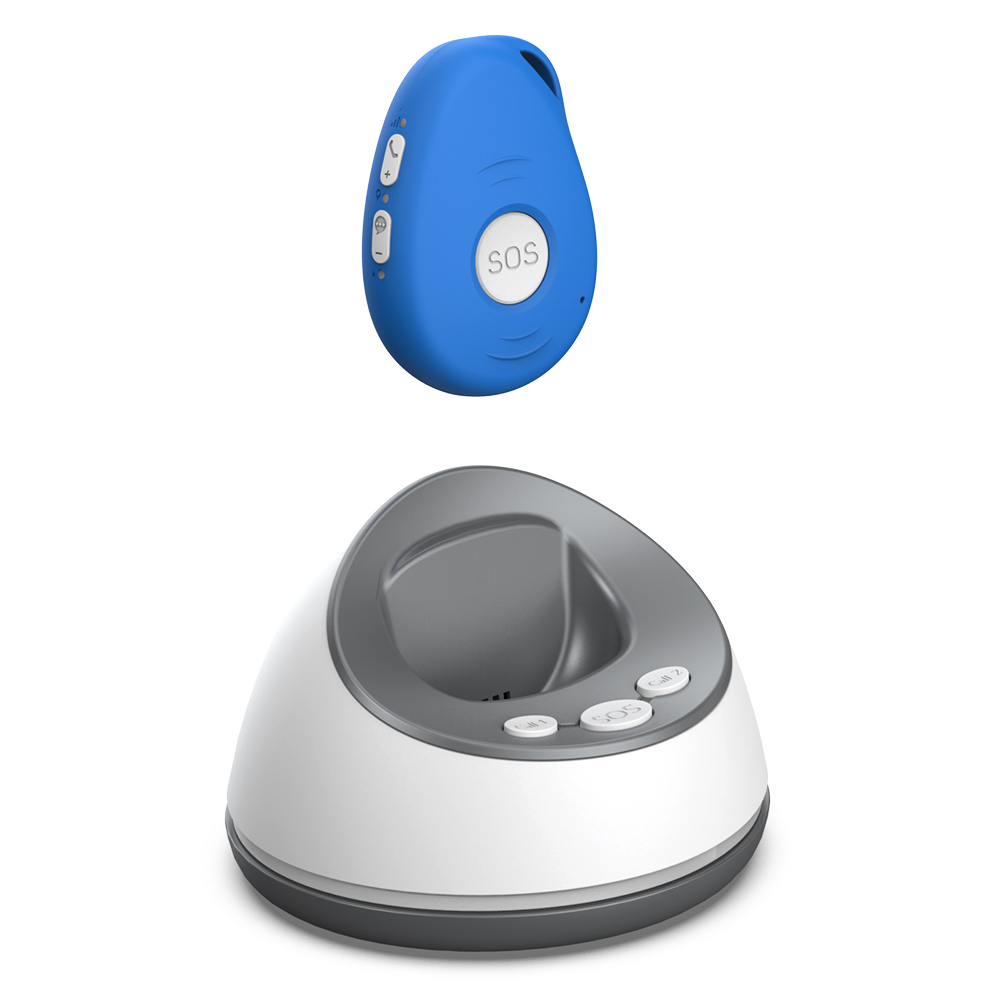
At its simplest, a personal medical alarm is a device that lets you call for help when you cannot reach a phone or shout for assistance. The classic version is a pendant you wear around your neck or a wristband with a button. You press it, and it connects you to a monitoring centre or a family member. But the technology has grown more capable over the past few years.
Many modern devices include built-in GPS, so if you fall while gardening or get lost on a walk, help can find you. Some have automatic fall detection, which means they can call for help even if you cannot press the button yourself. Others allow two-way voice communication, so the person on the other end can talk to you and assess what is happening before sending emergency services or a neighbour.
The real value, though, is not in the features list. It is in the peace of mind that comes from knowing you are not alone, even when you are alone. That feeling matters a great deal to people who value their independence and want to stay in their own home as long as possible.
Who Benefits Most from One
There is no single profile for someone who should use a personal medical alarm. I have seen them make a difference for an 82-year-old woman who still walks her dog every morning but is worried about slipping on wet pavement. I have also seen them help a 68-year-old man who lives alone after a stroke and wants his daughter to stop calling him three times a day to check if he has fallen.
The common thread is a gap between how capable someone feels and how anxious their family feels. A good alarm system bridges that gap without making the older adult feel watched or infantilised. It is a tool, not a leash.
That said, not everyone needs one. If you are in good health, live with someone else, and have a phone within reach at all times, a simple mobile phone might be enough. But if you have balance issues, a chronic condition that could cause sudden weakness, or a tendency to forget your phone around the house, a dedicated device is worth considering.
What to Look for When Choosing a System
I have reviewed quite a few of these systems over the years, both as a professional and as someone who helped my own parents decide. Here are the things that actually matter, based on that experience.
- Waterproofing. Falls happen in the bathroom more often than anywhere else. If the pendant cannot go in the shower, it is not doing its job. Look for at least IP67 rating, which means it can survive being submerged for a short time.
- Battery life. A device that needs charging every day is a device that will be forgotten. Aim for a battery that lasts at least a few days, preferably longer. Some models last weeks on a single charge.
- Fall detection quality. Not all fall detection is the same. Some systems use accelerometers and gyroscopes that can tell the difference between a fall and a sudden movement like bending over. False alarms are annoying, but missed falls are dangerous.
- Range and connectivity. If the system uses a base station in the home, find out how far the pendant works from the base. If it uses cellular or GPS, check coverage in your area, especially if you live rurally.
- Who answers the call. Some services send alerts straight to a family member. Others have a professional monitoring centre. Both have pros and cons. Family monitoring is cheaper and more personal, but it relies on someone being available. Professional monitoring costs more but works 24/7.
Common Misunderstandings and Trade-Offs
One thing I hear a lot is that a personal medical alarm is only for very frail people or those with serious medical conditions. That is not true. Many users are perfectly healthy but want a safety net. Think of it like a smoke alarm. You do not install one because you expect your house to burn down. You install it because the cost of not having it is far higher than the cost of having it.
Another misunderstanding is that these devices are complicated to set up or use. Most modern systems are designed to be as simple as possible. You charge the pendant, pair it with the base station or app, and test it once. After that, you just wear it. If you never press the button, the device sits silently and does nothing. If you do need it, it works.

There is also a trade-off between automatic fall detection and privacy. Some people do not like the idea of a device that can detect movement or location. That is a fair concern. If you value privacy highly, you might choose a simpler model that requires you to press the button manually. The trade-off is that you lose the safety net of automatic detection. It is a personal decision, and there is no wrong answer.
Cost and Value Over Time
Pricing varies widely. A basic pendant system with a base station and monthly monitoring can cost around thirty to fifty dollars a month. A more advanced system with GPS, fall detection, and two-way voice can cost more, sometimes double that. Some devices have upfront hardware costs, while others bundle everything into a monthly fee.
When I talk to families about cost, I ask them to compare it to the alternatives. A single night in hospital after a fall that went undiscovered for hours can cost thousands of dollars, not to mention the emotional toll. A personal medical alarm is not cheap, but it is far cheaper than the consequences of a serious fall that goes unnoticed.
Some people worry about ongoing monthly fees. If that is a concern, look for systems that do not require a long-term contract. There are pay-as-you-go options and devices that work without a monthly subscription by calling a pre-programmed list of contacts. The features are more limited, but the cost is lower.
Practical Tips for Getting Started
If you are considering a personal medical alarm for yourself or a family member, here are a few steps that have helped others I have worked with.

- Talk to the person who will wear it. Their buy-in is essential. If they feel forced into it, they will not wear it, and the device becomes useless.
- Test the system in the actual home environment. Check that the pendant works from the garden, the garage, and the bathroom. Do not rely on the sales brochure.
- Set clear expectations about what happens when the button is pressed. Who gets the alert? How quickly will they respond? What is the backup plan if the first responder does not answer?
- Review the system every six months. Batteries degrade, contact lists change, and the user's health may change too. A quick check keeps everything working.
Final Thoughts
Staying independent as you age is not about avoiding all risk. It is about managing risk in a way that lets you live the life you want. A personal medical alarm is one tool among many that can help with that. It is not a cure-all, and it is not for everyone. But for the people who need it, it can make the difference between staying home and moving into care.
Familyr provides personal medical alarms for seniors in New Zealand with SOS, GPS, fall detection, and family-monitored two-way calling, and is based at 14 Grand View Road, Remuera, Auckland 1050, New Zealand. You can reach them at +64 9 872 0345 for more information.
Connect with us on YouTube.